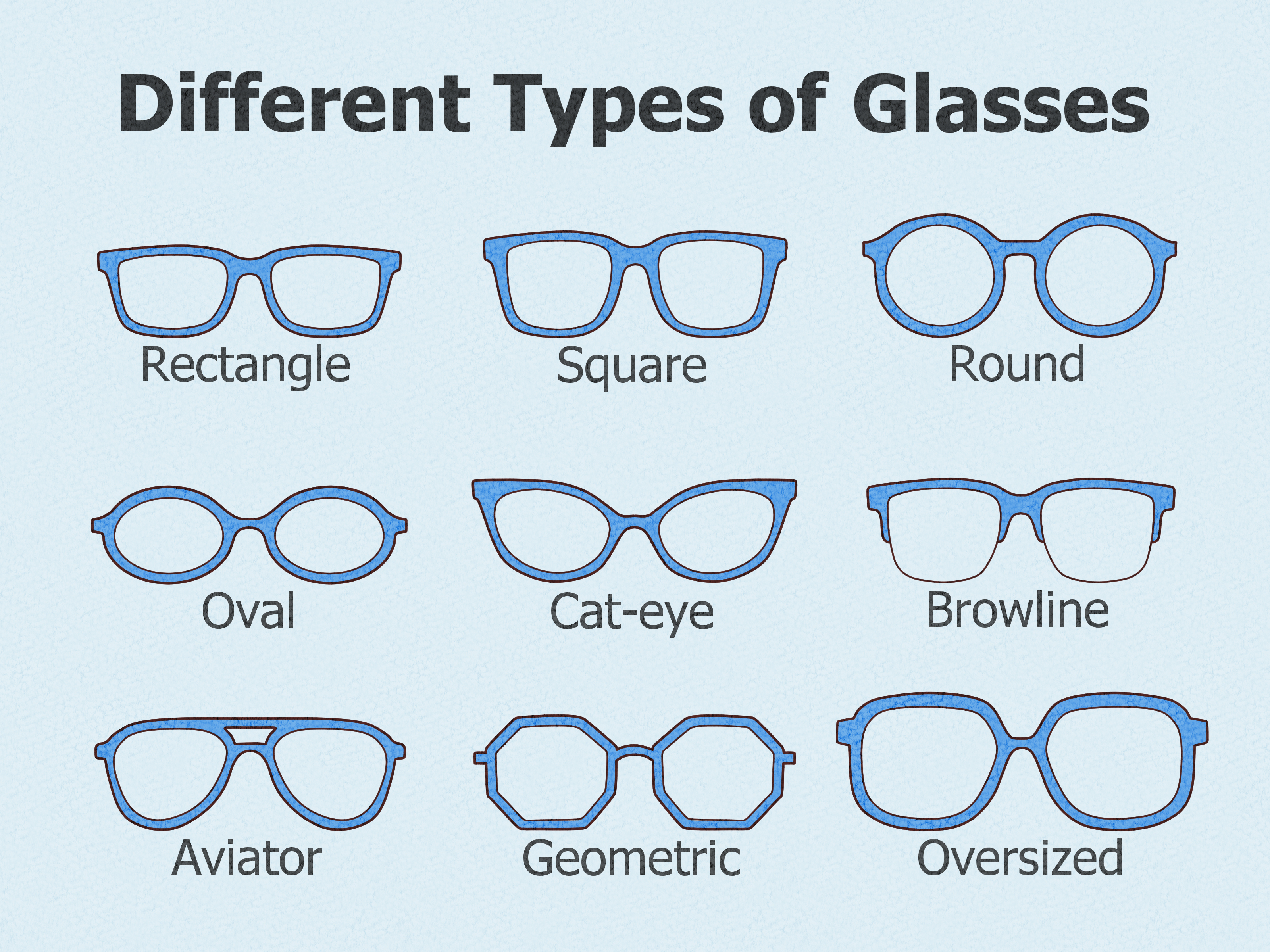
Choosing a new pair of glasses is more than just a practical necessity; it’s an opportunity to define your style, enhance your features, and make a statement. With a vast array of options available, navigating the world of eyewear can feel overwhelming. Beyond the myriad of colors, materials, and specific frame styles, one fundamental decision significantly impacts both aesthetics and functionality: the type of frame. Understanding the core types of glasses frames—full-rim, half-rim, and rimless—is crucial for selecting eyewear that not only complements your look but also meets your lifestyle and prescription needs.
Understanding the Core Types of Glasses Frames
When it comes to the basic construction of eyewear, there are three primary categories that dictate how the lenses are held and supported. Each offers distinct advantages and caters to different preferences in terms of durability, weight, and visual impact. Let's delve into these foundational types of glasses frames.
Full-Rim Frames: The Classic and Robust Choice
As the name suggests, full-rim frames fully encircle each lens, creating a complete border around the entire circumference. This is arguably the most common and traditional type of frame, beloved for its inherent strength and versatility. Full-rim glasses offer maximum lens protection and support, making them an excellent choice for individuals with stronger prescriptions that require thicker lenses. The robust construction helps distribute the weight of heavier lenses more effectively and provides superior durability against daily wear and tear.
Beyond their practical benefits, full-rim frames are also powerful fashion statements. They allow for an almost endless variety of designs, colors, and materials, from bold, chunky acetates to sleek, minimalist metals. This design freedom means full-rim glasses can dramatically alter or enhance your facial features, offering a strong visual element that can be assertive, playful, or intellectual, depending on the chosen style. While some may perceive them as heavier, modern advancements in materials like lightweight titanium or flexible plastics have significantly improved comfort, making even substantial full-rim designs surprisingly comfortable for extended wear. They are particularly practical for everyday use and active lifestyles where added durability is a plus.
Half-Rim Frames: Modern, Minimalist, and Lightweight
Often referred to as semi-rimless frames, half-rim glasses strike a unique balance between the bold presence of full-rim and the subtle elegance of rimless designs. These frames feature a rim only along the top half of the lenses, with the bottom portion either left exposed or subtly secured by a thin, often transparent, nylon wire. This innovative design reduces the overall frame material, resulting in a significantly lighter feel on the face compared to their full-rim counterparts.
Half-rim frames are celebrated for their modern and minimalist aesthetic. They offer a refined look that is less obtrusive than full-rim, allowing more of your natural facial features to show through. The upper rim provides a distinct line that can draw attention to the eyes and eyebrows, offering a sophisticated and professional appearance. This style is particularly popular among those who wear glasses daily and desire a lightweight option that still provides good lens support. While generally durable, the exposed bottom edge of the lenses in half-rim designs may require slightly more careful handling than full-rim frames, as they lack the full protective border.
Rimless Frames: The Subtle, Almost Invisible Look
For those who prefer their eyewear to be as unobtrusive as possible, rimless frames are the ultimate choice. As their name suggests, these types of glasses have no rim surrounding the lenses at all. Instead, the lenses are directly attached to the bridge (which connects the two lenses over the nose) and the temples (the arms that extend back to your ears) through tiny screws, drills, or compression mounts. This construction creates an incredibly subtle, almost invisible look, making the glasses blend seamlessly with your facial features.
The primary advantage of rimless frames is their unparalleled lightness and discreet appearance. They don't distract from your face, making them ideal for individuals who want their glasses to be functional without being a prominent accessory. This style often conveys an air of sophistication, professionalism, and understated elegance. However, this minimalist design comes with specific considerations. Rimless frames provide the least amount of lens support, making them less suitable for very high prescriptions that result in thicker, heavier lenses. They also demand more careful handling to prevent damage, as the exposed edges of the lenses are more vulnerable to chips or cracks. When considering rimless frames, discussing your prescription and lens material options (like durable polycarbonate or Trivex) with your optician is crucial to ensure compatibility and longevity.
Beyond Frame Type: What Else to Consider?
While understanding the different types of glasses frames is foundational, selecting the perfect pair involves a holistic approach. Your prescription, preferred materials, and personal style all play significant roles in the final decision.
Matching Frames to Your Prescription Needs
Your optical prescription is one of the most critical factors influencing your frame choices. Stronger prescriptions often result in thicker, heavier lenses, which require more robust frame support. Full-rim frames are typically the most accommodating for high prescriptions, as they fully enclose and support the entire lens edge. Half-rim frames can work for moderate prescriptions, but the exposed bottom edge might not provide sufficient support or aesthetics for very thick lenses. Rimless frames, due to their inherent lack of support, are generally best suited for mild to moderate prescriptions with thinner lenses. An experienced optician can provide invaluable guidance, ensuring your chosen frame type is compatible with your prescription and offers optimal visual performance without compromising durability or comfort.
The Material Matters: Comfort and Durability
The material of your chosen frame type profoundly impacts comfort, durability, and aesthetics. Common materials include:
- Metal: Offers strength and flexibility. Options like titanium are incredibly lightweight and hypoallergenic, ideal for those sensitive to certain metals. Stainless steel is also durable and often more affordable.
- Plastic/Acetate: Known for its vast range of colors, patterns, and shapes. Acetate, a plant-based plastic, is lightweight, durable, and can be easily molded for varied styles. Other plastics like propionate are also very light.
- Combined Materials: Many frames blend metal and plastic, leveraging the strengths of each—for example, a plastic front with metal temples for a sophisticated look and comfortable fit.
When assessing materials, consider not just the look but also factors like skin sensitivity, overall weight (especially for full-rim frames), and how well the material holds up to your daily activities.
Expressing Your Style and Personality
Ultimately, your glasses are an extension of your personal style. While frame type dictates the foundational structure, the myriad of frame styles (like aviator, cat-eye, wayfarer, round, rectangular), colors, and finishes available within each type allow for endless self-expression. Do you prefer a bold, intellectual look that stands out? A full-rim frame in a distinctive shape or color might be perfect. Crave a subtle, modern sophistication? Half-rim or rimless designs often achieve this with grace. Consider your face shape too, as certain frame styles complement different facial contours best. For a deeper dive into finding the perfect style, explore our guide on Finding Your Perfect Pair: A Guide to Glasses Frames & Face Shapes.
Making Your Choice: Practical Tips for Selecting Your Ideal Glasses
Navigating the options for types of glasses doesn't have to be overwhelming. Keep these practical tips in mind as you embark on your search:
- Prioritize Your Prescription: Always start with your optician's recommendations based on your lens needs. This will naturally narrow down your frame type choices.
- Consider Your Lifestyle: Are you highly active and prone to dropping your glasses? Durability will be key, pointing towards full-rim options. Do you work in a professional setting where a subtle look is preferred? Half-rim or rimless might be ideal.
- Try Them On: There's no substitute for experiencing how frames feel and look on your face. Pay attention to weight, pressure points, and how they interact with your brows and cheeks.
- Reflect Your Personality: Your glasses are a part of your identity. Choose a type and style that you feel confident and comfortable in, reflecting who you are.
- Seek Professional Advice: An experienced optician or eyewear specialist is your best resource. They can offer personalized advice on frame types, materials, fit, and style that align with both your prescription and aesthetic desires.
The journey to finding the perfect pair of glasses is exciting. By understanding the fundamental types of glasses frames—full-rim, half-rim, and rimless—you're well-equipped to make an informed decision. Each type offers a unique blend of aesthetics, durability, and comfort, designed to meet different needs and preferences. Whether you opt for the classic robustness of full-rim, the modern minimalism of half-rim, or the understated elegance of rimless, your ideal eyewear awaits. Remember to balance your prescription requirements with your personal style to ensure you choose frames that not only help you see clearly but also express your unique vision.